

dortheaspragg4
About dortheaspragg4
These 10 Hacks Will Make You(r) House (Look) Like A pro
Every few years the housing market rewrites the rules, and buyers who learned the last set of rules show up unprepared for the new ones. Right now, the rules have changed more than they have at any point in a generation. The buyers who understand that are finding deals. The ones who do not are making expensive mistakes.
The arithmetic here is brutal and worth understanding clearly. A buyer who financed a $400,000 home at three percent in 2021 pays roughly $1,686 per month on principal and interest. That same loan at a seven percent rate costs $2,661. That gap of nearly a thousand dollars a month is why transaction volume has fallen to levels not seen in decades. Volume collapsed. Prices mostly did not.
Affordability, by the standard measure of what share of median household income goes toward the monthly payment on a median-priced home, is near its worst level since the early 1980s. That is a real problem, and it is not going away quickly. But affordability being stretched does not mean prices are about to fall sharply. What it means, practically, is that fewer people can compete for each property.
Before you look at a single listing, get your pre-approval locked down. Not a rough estimate. Not a verbal confirmation from a loan officer you met once. A full pre-approval based on verified income, tax returns, bank statements, and a hard credit pull. Any agent worth working with will tell you the same thing: no pre-approval, no offer.
 The appraisal is the lender’s check, not yours. If the home appraises below the contract price, the lender will only finance against the appraised value. Ask your agent how common appraisal gaps have been in your target price range and neighborhood.
Price matters, but terms matter too. A longer closing window, a shorter inspection period, a larger earnest money deposit, or willingness to do a rent-back period can all tip a deal in your favor without you spending an extra dollar on the purchase price.
Real estate is illiquid. Transaction costs, agent commissions, and closing fees mean you typically need three to five years just to break even on a purchase. None of that means do not buy. It means be honest about your time horizon before you commit.
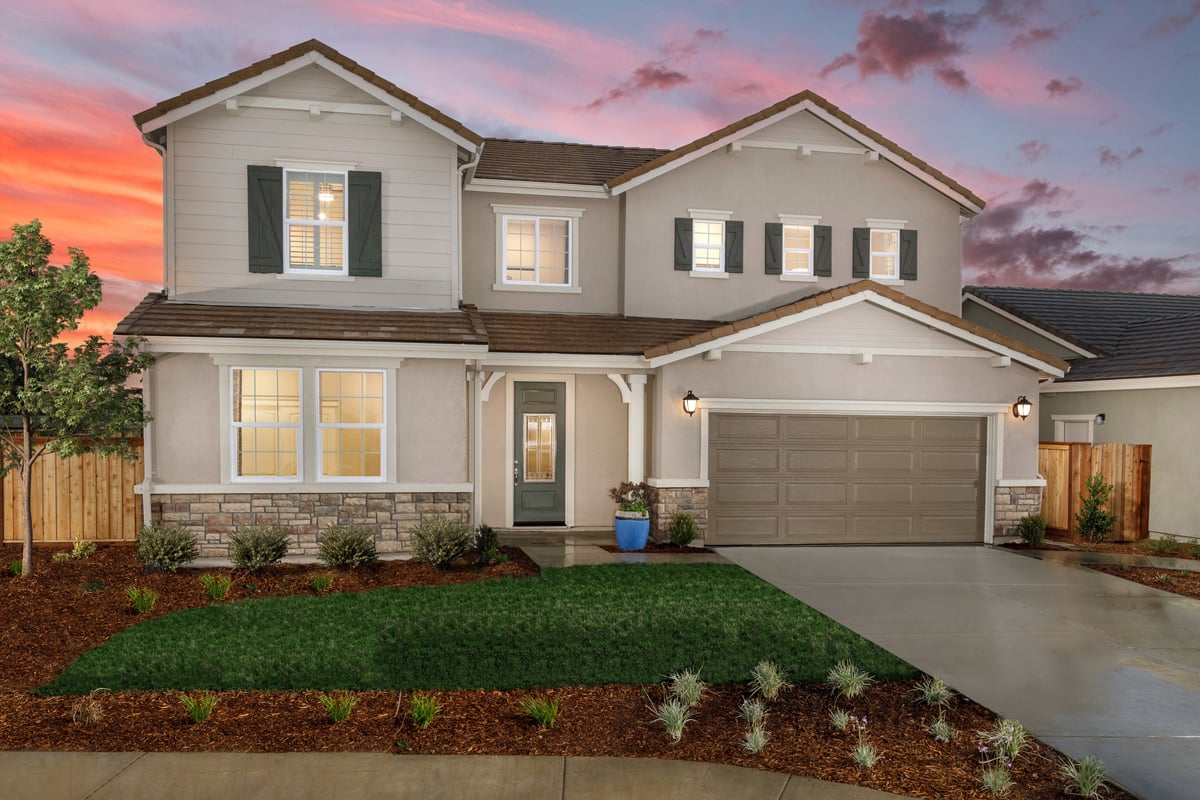 Buyers who take the time to research properly tend to find that opportunities exist even when conditions look difficult on paper. A quick look at up-to-date property listings will tell you more about your local market than most of what you read in national coverage.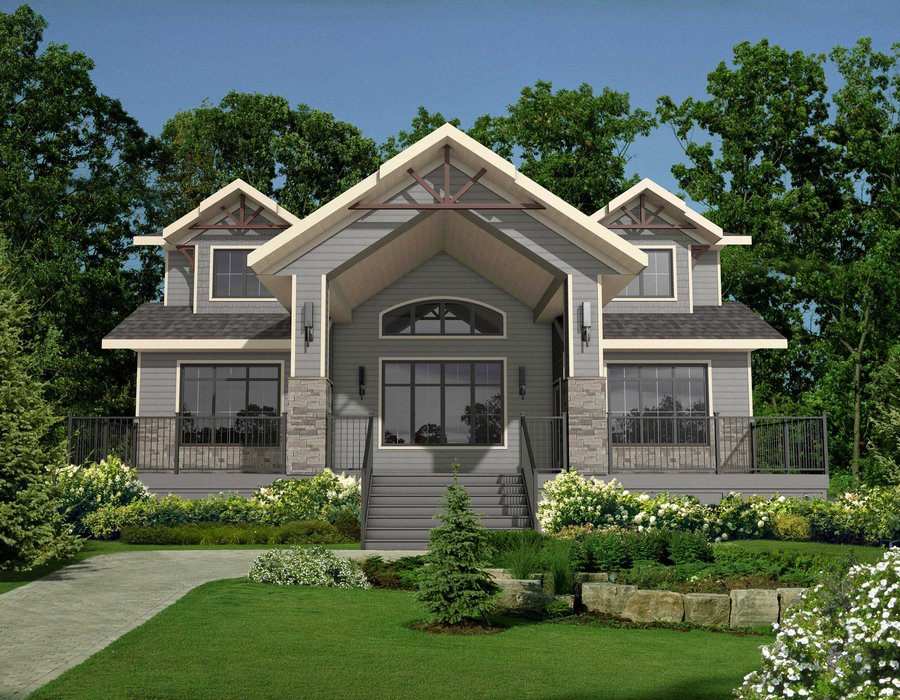
No listing found.